The Importance Of Genuine Parts In Logbook Servicing
Vehicle maintenance has changed a lot over the years, especially as modern cars become more advanced and technology-driven. What once involved simple checks and basic parts has evolved into a detailed process built around strict manufacturer standards. For many car owners, understanding what goes into a proper logbook service is often overlooked — especially the value of using genuine parts. These components play a crucial role in long-term reliability, performance and warranty protection. As vehicles differ in design and requirements, choosing genuine parts ensures every part of the service aligns with the standards intended by the manufacturer. This guide explores why these parts matter, how they affect the outcome of logbook servicing, and why working with experienced mechanics is the key to maintaining the integrity of your vehicle.
Understanding the Role of Genuine Parts in Modern Vehicle Maintenance
Genuine parts are designed, tested and approved by the original vehicle manufacturer. They are built to match factory specifications and ensure the car performs exactly as it should. During logbook servicing, these parts allow the service to follow the precise maintenance schedule outlined in the vehicle’s handbook.
Using genuine components helps maintain:
- Correct fitment and performance
- Reliable operation under factory-tested conditions
- Compliance with manufacturer guidelines
Mechanics who understand the finer details of logbook service requirements ensure every part installed supports the car’s overall design and long-term durability. This provides consistency from service to service and helps maintain the structural and mechanical reliability of the vehicle.
Why Logbook Servicing Depends on Manufacturer-Approved Components
Logbook servicing is built around the concept of maintaining the vehicle as closely as possible to its original condition. The manufacturer outlines exactly what needs to be inspected, replaced or monitored at each service interval. Using genuine parts ensures that the service matches these expectations.
Mechanics performing logbook servicing rely on genuine parts because they:
- Meet strict manufacturer standards
- Maintain correct calibration of vehicle systems
- Support efficient performance and fuel economy
Whether your vehicle is new or several years old, sticking to approved components ensures every step of the logbook service aligns with the long-term care your vehicle was designed to receive.
The Key Differences Between Genuine, Aftermarket and Counterfeit Parts
Not all parts are created equal. Genuine parts undergo extensive testing to confirm that they work harmoniously with your vehicle. While aftermarket parts may fit, they rarely undergo the same rigorous quality control — and counterfeit parts can compromise safety.
Key differences include:
- Genuine parts: Designed and engineered by the manufacturer, offering guaranteed compatibility.
- Aftermarket parts: Produced by third parties, quality and fitment can vary widely.
- Counterfeit parts: Low-quality imitations that may look similar but can cause serious failures.
Using lower-quality alternatives can affect everything from performance to safety. When mechanics carry out a logbook service using genuine components, they help ensure your vehicle receives the proper care intended by its original design. This reduces the risk of unexpected breakdowns or system failures that cheaper parts may cause.
How Genuine Parts Protect Your Vehicle’s Warranty and Long-Term Value
One of the major benefits of genuine parts is warranty protection. Manufacturers often specify that certain components must meet exact standards, otherwise warranty coverage can be affected. Logbook servicing using genuine parts keeps your car compliant with the manufacturer’s maintenance requirements.
Benefits include:
- Preserves new-car and extended warranties
- Prevents disputes over non-approved parts
- Helps maintain resale value
Using genuine parts also supports consistent performance, which keeps the vehicle in better condition over time. When buyers see full logbook servicing with approved components, it can increase confidence and contribute to a higher resale value later on.
Performance, Safety and Reliability: What Genuine Parts Deliver
Genuine parts are engineered not just for fitment but also for safety and driving performance. This is especially important for components that affect the vehicle’s handling, braking and engine operation.
Genuine parts help maintain:
- Consistent braking performance
- Proper engine tuning and efficiency
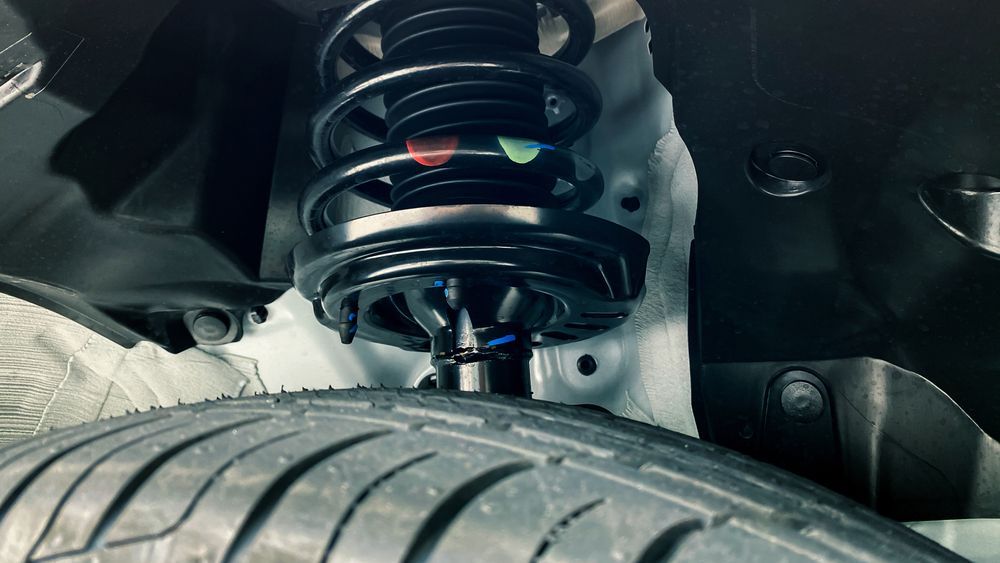
- Stable suspension and steering behaviour
- Safe operation of electrical and air conditioning systems
For mechanics, using genuine parts during a logbook service allows the car to be serviced to its intended standard. Vehicles built today rely on precise electronic systems and technology-driven components, making genuine parts even more essential for accurate performance.
How Skilled Mechanics Ensure Your Logbook Service Stays Fully Compliant
Choosing the right workshop for logbook servicing is just as important as the parts used. Skilled mechanics understand the manufacturer’s requirements and follow each step of the logbook to ensure your service remains compliant.
During a logbook service, a qualified mechanic will:
- Follow the exact service schedule for your vehicle
- Use genuine or manufacturer-approved parts
- Complete all inspections required for that interval
- Provide correct documentation for warranty protection
By combining expertise with genuine parts, mechanics deliver consistent and reliable servicing that keeps the vehicle performing smoothly. This complete approach ensures the vehicle remains safe, efficient and fully compliant with manufacturer expectations.
The Long-Term Cost Benefits of Choosing Genuine Over Cheaper Alternatives
Many car owners consider aftermarket parts to save money upfront, but genuine parts often provide better long-term value. They are specifically designed to last longer, perform more reliably and reduce the likelihood of repeat repairs.
Long-term cost advantages include:
- Longer lifespan compared to cheaper parts
- Reduced risk of system damage
- Savings from fewer breakdowns or failures
- Maintaining fuel efficiency and performance
The initial difference in price is quickly offset by fewer repair costs and longer intervals between part replacements. When mechanics install genuine parts during a logbook service, they help protect the overall lifespan of the vehicle and prevent avoidable repair expenses.
What to Look for When Booking Logbook Servicing With a Trusted Workshop
Finding the right mechanic for a logbook service involves more than checking availability. It’s important to choose a workshop that values transparency, follows manufacturer guidelines and uses genuine parts as standard practice.
A reliable workshop will provide:
- Clear communication about parts used
- Accurate documentation for warranty purposes
- Qualified mechanics trained to manage logbook servicing
- Honest recommendations that prioritise vehicle safety
By choosing a workshop that follows these steps, you can be confident your vehicle receives the type of care designed to keep it running smoothly for years to come.
At Autochange Mechanical Repairs & Tyres understands how important genuine parts are when it comes to protecting your vehicle’s performance, warranty and long-term reliability. Our team provides compliant logbook servicing for all makes and models, ensuring every service aligns with manufacturer standards. If you are driving in Wollongong, our workshop is equipped to deliver the level of care your vehicle deserves. Visit https://www.autochange.com.au/ to book your next logbook service or to speak with our team about maintaining your vehicle with genuine parts.